Tag: Statistics
-
S-Learner Weaknesses: Causal Regularization and HTE Attenuation

When it comes to causal stuff in industry, a common pattern I observe is that people default to the S-learner. It’s the simplest of the meta-learners: one model, treatment as a feature, done. Given how powerful and convenient these methods are, this isn’t the most egregious mistake one can make. However, it’s important to understand…
-
Warp Regression: Timing errors, warps, and a generative “terror”

For quite some time I’ve been interested in the idea of ‘time’ error, i.e. early, late, or in the time-series context, warped or unwarped. The machine learning field clings strongly to the idea using y-axis error or loss, but it’s not the only way to optimize. There is the whole error-in-variables field, for example, that…
-
The Intuition Behind Double ML
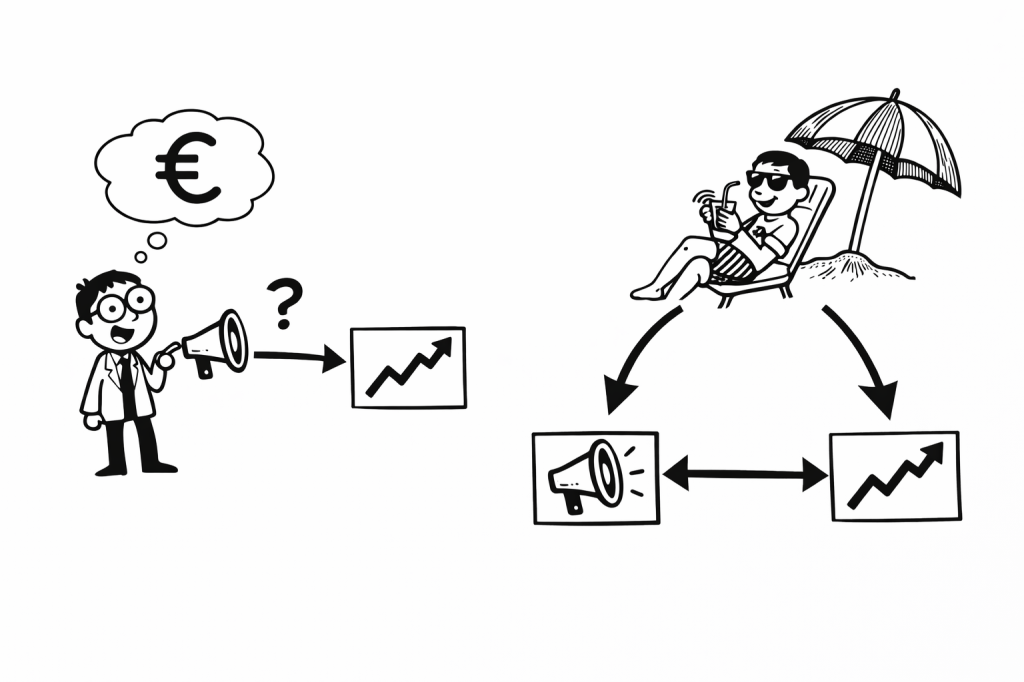
Double Machine Learning (DML or DoubleML) is one of the most powerful, modern techniques in data science & machine learning. However, I often find treatments of the subject a little convoluted, with writers reaching for math or using very particular domain vocabulary. In this article I’m going to drop the math, avoid all the jargon…
-
Sketulate: Sketchable Functions & Densities for Data Science

I simulate a lot of data to test my ideas, particularly the more complex ones. With non-standard stuff, it can be pretty time consuming to find the right function and/or parameters to do what I want. If the shape you want isn’t a common function or distribution, you can spend too much time searching for…
-
Genetic Algorithms with PyGAD and PyTorch
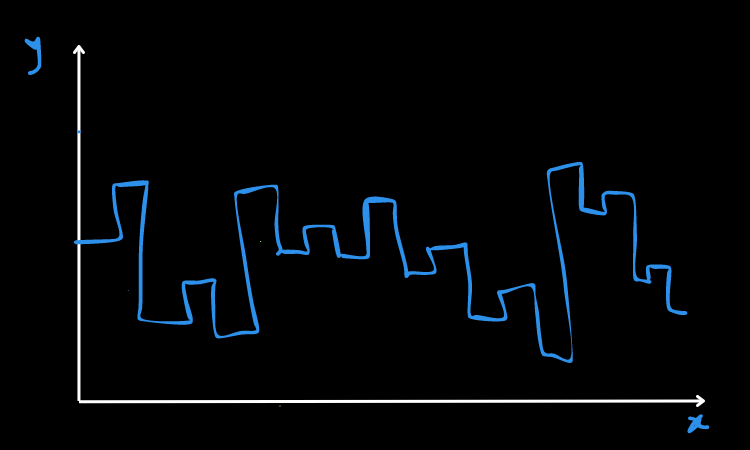
Deep dive into Genetic Algorithms (GAs), an optimization algorithm inspired by the concept of natural evolution, including using a GA to train a Pytorch model with the Pygad library.
-
Expectation of a Gaussian Likelihood Function

This article explores the calculation of the expected likelihood of the Gaussian function rather than its maximum. It includes deriving the expectation of the Gaussian likelihood function, and the expectation of the likelihood of one Gaussian given the parameters of another Gaussian.
-
How to Choose a Distribution for your Regression Model
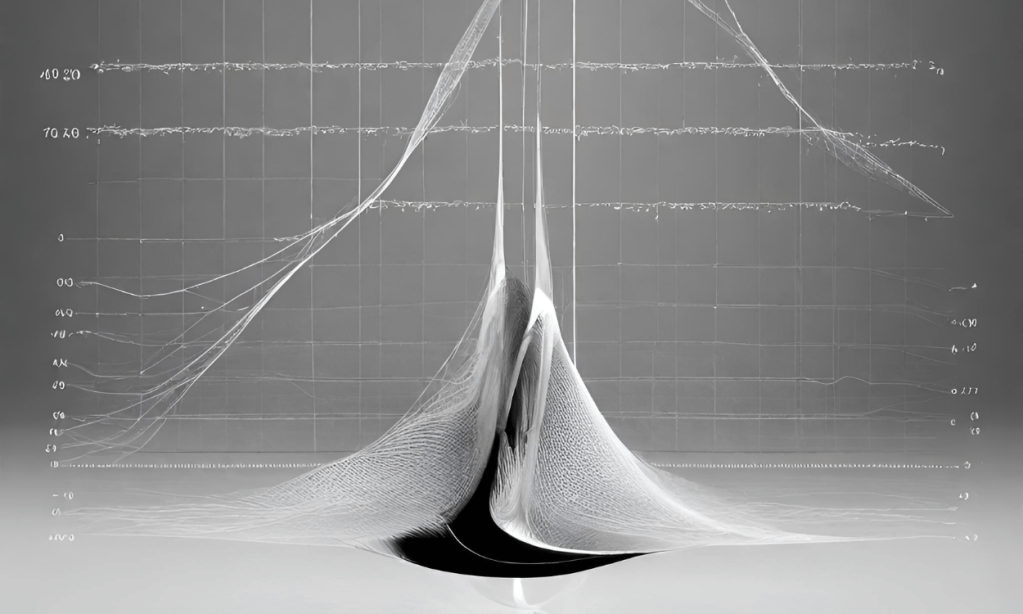
This article is all about distributions! In it, I explore the most common distributions including Gaussian, Uniform, Student-T, Gamma, and others. I also discuss their applications and when to choose them for regression modelling.
-
Stochastic Time Delay in Regression Analysis

I revisit a previous article on designing a regression model for stochastic time delay problems, where input-output delays vary randomly. The proposed model treats time delay components as part of the analysis, achieving improved results over standard regression methods in simulated experiments. Potential applications include marketing and medical settings. Future extensions might tackle multiple regression…
-
Hierarchical (Multilevel) Modelling

Hierarchical modeling is a powerful statistical technique to analyze nested or grouped data. It considers both global structure and individual characteristics, delivering more accurate and robust estimates. Hierarchical models outperform traditional machine learning models, providing lower error rates and better handle outliers, especially with small datasets.
-
Introduction to Exponential Smoothing
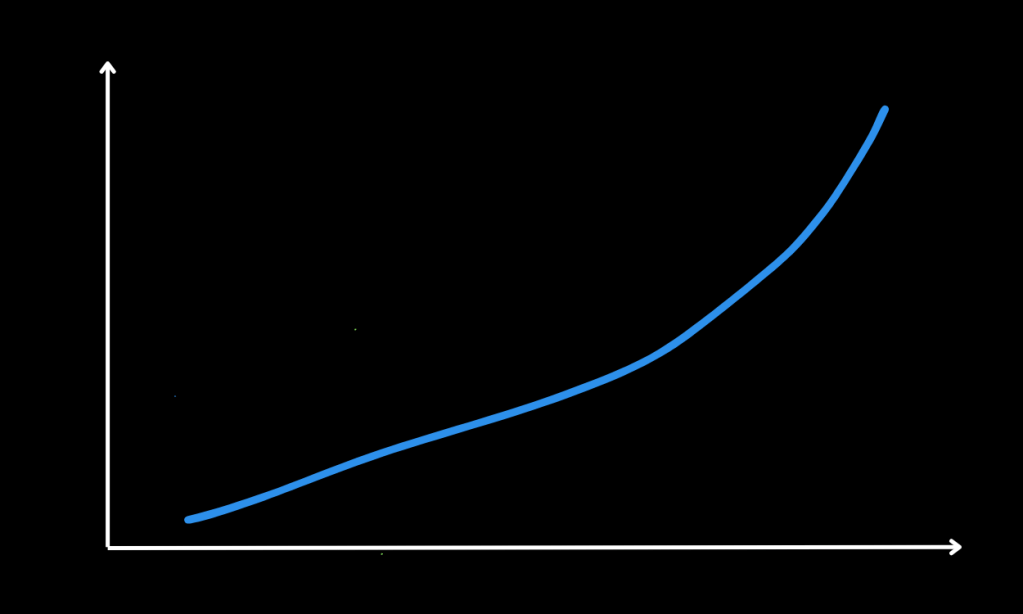
This article intros the enduring Exponential Smoothing (ETS) in time series forecasting despite. I explore 4 key ETS variants, their formulas, and practical applications. Additionally, it touches on auto parameter selection for ETS models.

